Subaltern Futures: Caste, Land, and Dalit Women’s Struggle Against Bonded Labor in Sindh.
4/29/20261 min read
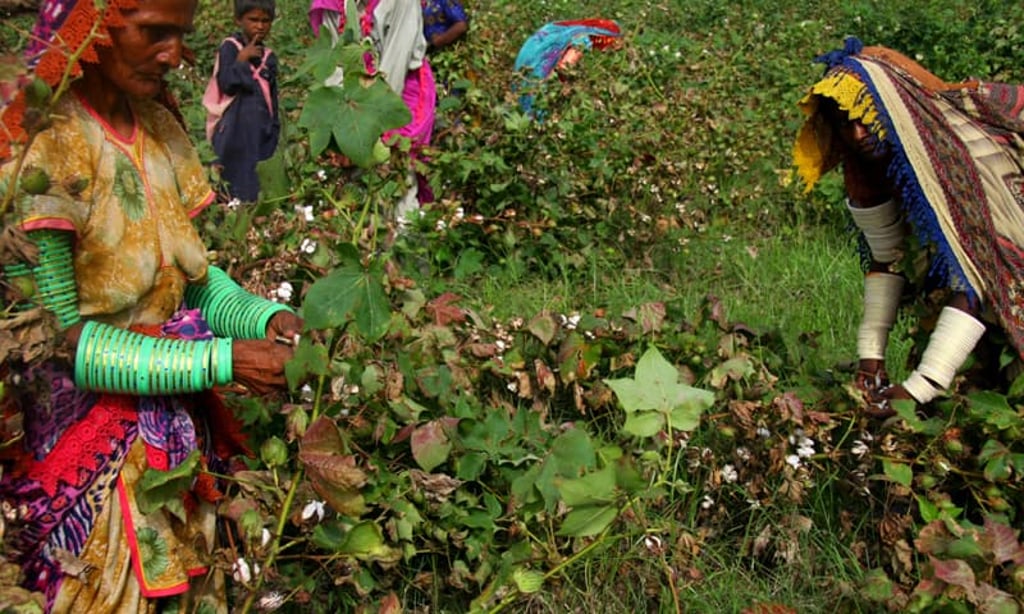
Bonded labor remains a deeply rooted and brutal form of unfreedom in Pakistan, despite its legal abolition. This is most evident in Sindh, Pakistan, where recent reports estimate that over 1.7 million people - many from Dalit and marginalized Hindu communities - continue to live under hereditary debt bondage to feudal landlords.[i] Entire families are caught in this cycle of coercion, with their labor, dignity, and freedom sacrificed to systems of debt and violence. For women, the experience is especially harsh. They face the invisibility of agricultural and domestic labor, the denial of land rights, and constant threats and actual instances of sexual exploitation. The intersection of caste, class, and gender oppression makes bonded women not only the most vulnerable but also the least represented in scholarship and public discussion.
This project will examine agrarian relations across historical stages, first by outlining the genealogy of land relations from the pre-colonial period through significant colonial interventions to the present post-colonial situation. The colonial and post-colonial expansion of cultivation through canal projects (often referred to as canal colonization in academic literature) significantly altered land ownership patterns and, with it, established unequal agrarian relations that persist. Opposed to inegalitarian distribution was a peasant organisation called the Sindh Hari Committee (SHC). The project will recover the history of the Sindh Hari Committee and its radical land struggles from the 1930s to the 1970s, which placed questions of agrarian justice and redistribution at the center of Sindh’s political agenda, and, thirdly, by documenting the contemporary struggles of bonded women labourers whose lives embody the unfinished business of those earlier movements.
[i] Dawn, “Report by farmers body sees Sindh ‘reinforcing feudal system’,” March 2025. Available at: dawn.com.
Contact
info@peoplesresearchinitiative.org
Join our mailing list
© 2025. All rights reserved.